

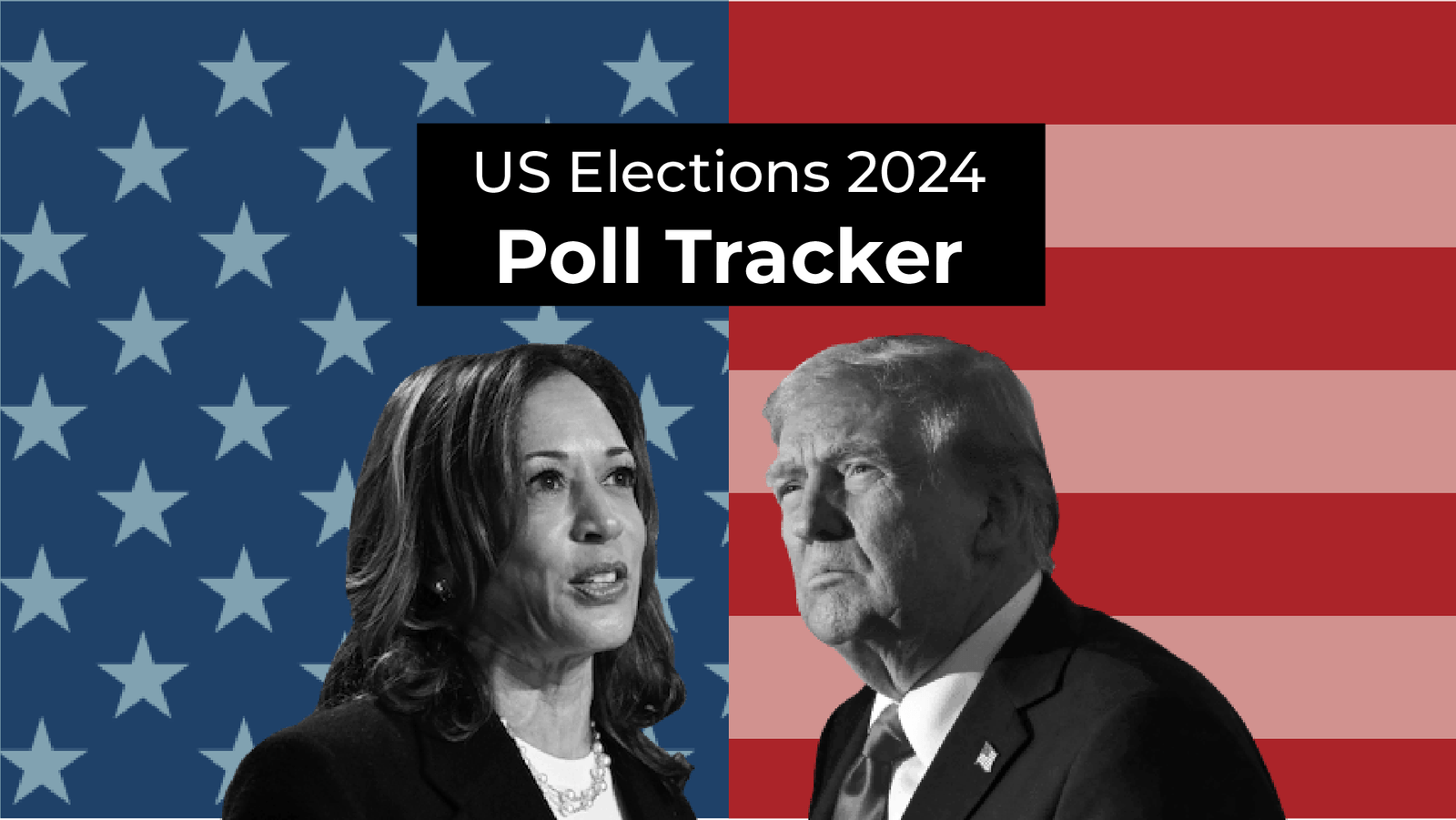
U.S. Presidential Election Approaches: Key Dynamics Unfolding as November 5 Draws Near
As the United States gears up for its pivotal presidential election on November 5, the political landscape becomes increasingly intense. Early voting has commenced in various states, particularly in critical battlegrounds such as North Carolina and Georgia, setting the stage for an electoral showdown.
Democratic Vice President Kamala Harris and former Republican President Donald Trump are vying to capture the attention and support of undecided voters. As the campaign enters its final weeks, both candidates are focusing on strategies to resonate with the electorate. Importantly, the outcome of the presidential race will not be determined solely by the popular vote; rather, the Electoral College plays a decisive role in selecting the nation’s leader.
In this complex system, a candidate must secure at least 270 of the total 538 electoral votes available. These votes are allocated based on state populations, highlighting the significance of localized campaigning. According to current data from FiveThirtyEight’s daily election poll tracker, Harris is enjoying a marginal lead in national polls, outpacing Trump by two percentage points. This rise in Harris’s popularity follows President Joe Biden’s endorsement after he exited the race in July.
Despite Harris’s advantage, the race remains fiercely contested. FiveThirtyEight’s forecast suggests that Harris is favored to win 54 times out of 100, while Trump is positioned to secure a victory 46 times. The narrowness of this contest underscores the competitive nature of the election.
Key swing states, such as Arizona, Georgia, Michigan, Nevada, North Carolina, Pennsylvania, and Wisconsin, are critical battlegrounds that could tilt the election in favor of either candidate. These states are characterized by their unpredictable political affiliations, making them vital to watch as results unfold. Notably, Georgia made headlines during the last election for switching from Republican to Democratic support, reflecting the evolving dynamics of voter preferences.
Should the election results in a tie, a contingency election would occur, requiring the U.S. House of Representatives to determine the winner, each state casting a single vote. This unique mechanism highlights the intricate and often unpredictable nature of American electoral politics.
Polling methodologies play a crucial role in assessing voter sentiment. Polls aim to predict electoral outcomes by sampling a segment of the population, using various methodologies, including online surveys and telephone interviews. While polls can provide insights, their accuracy is often debated, particularly in light of past elections where results did not meet expectations. Factors such as voter turnout and response rates significantly influence these results, emphasizing the nuanced landscape ahead.
As the countdown to Election Day continues, the decisions made by voters in these crucial weeks will inevitably shape the future of the United States.
#Politics #USElectionsNews