

Advancements in Virtual Reality Promote Social Connectivity for Older Adults
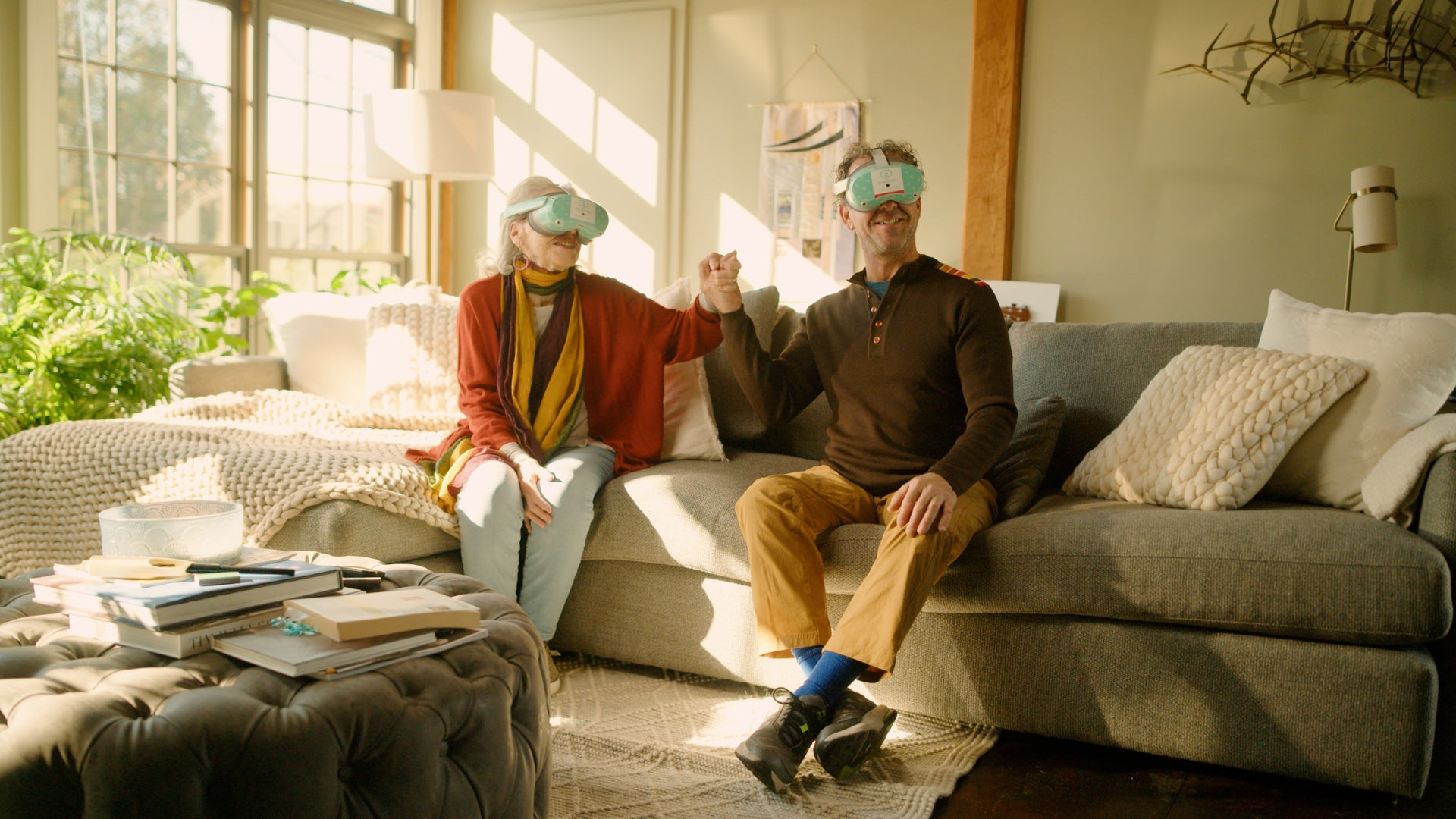
Recent research highlights the transformative potential of Virtual Reality (VR) in fostering social bonds and enhancing psychological well-being among families, especially elderly individuals and their adult children. The study indicates that VR technology offers unique advantages over traditional video conferencing platforms, such as Zoom, by facilitating immersive shared experiences.
In VR environments, users can engage in virtual travel, exploring destinations such as the beaches of Thailand or the architectural wonders of Barcelona. These shared experiences allow users to discuss the sights and emotions they encounter, making for deeper interactions that transcend the limitations often found in conventional video calls. Furthermore, families can revisit nostalgic locations by uploading addresses from their pasts and utilizing Google Street View within the VR headset, thereby reconnecting with childhood homes and other significant places. A notable feature of this technology includes the ability to gather as avatars in a virtual living room that is adorned with family photographs and home videos, creating a warm and familiar environment.
Dr. Afifi, a lead researcher, emphasized the impact of VR: “Video conferencing is wonderful, but conversations can become mundane or quickly turn toward talking about health ailments. With VR, you’re doing something novel and stimulating together. You have adventures to talk about, and you can build in reminiscence therapy to invoke positive memories and emotions.” This innovative approach is particularly advantageous for older adults suffering from dementia, who may benefit from the enhanced cognitive engagement and emotional stimulation provided by VR activities.
The findings also extend to caregivers, showcasing improvements in their mental health and reduced feelings of guilt, particularly for family members living far away from their loved ones. This aspect addresses a crucial need, as many older adults live independently and may experience significant challenges such as loneliness, mobility restrictions, and cognitive decline.
In response to these findings, researchers have secured a new grant aimed at integrating VR into the homes of older adults, especially those aging in place with dementia. The initiative involves collaboration with Right at Home, a provider of in-home care services. Trained home health aides will facilitate the use of Rendever’s VR headsets in clients’ homes, connecting them to group VR sessions that take place in senior communities, where the technology is already being utilized effectively.
Participants in this upcoming study will initially meet through Zoom to establish familiarity by seeing faces and learning names. Following this introduction, they will regularly reconvene in shared virtual spaces, embarking on excursions, attending concerts or movie nights, and exploring significant past locales. As Dr. Collins notes, “The key difference in this study is that we’re using shared virtual reality to help older adults form authentic new friendships. We know social connection is one of the strongest predictors of quality of life at any age, but it becomes harder to maintain as you get older and face more physical and cognitive limitations.”
This research underscores the potential of VR technology in not only enriching the lives of older adults but also in addressing the prevalent issues of social isolation and mental health. By fostering connections and facilitating shared experiences, VR can emerge as a vital tool in enhancing the quality of life for aging populations.