

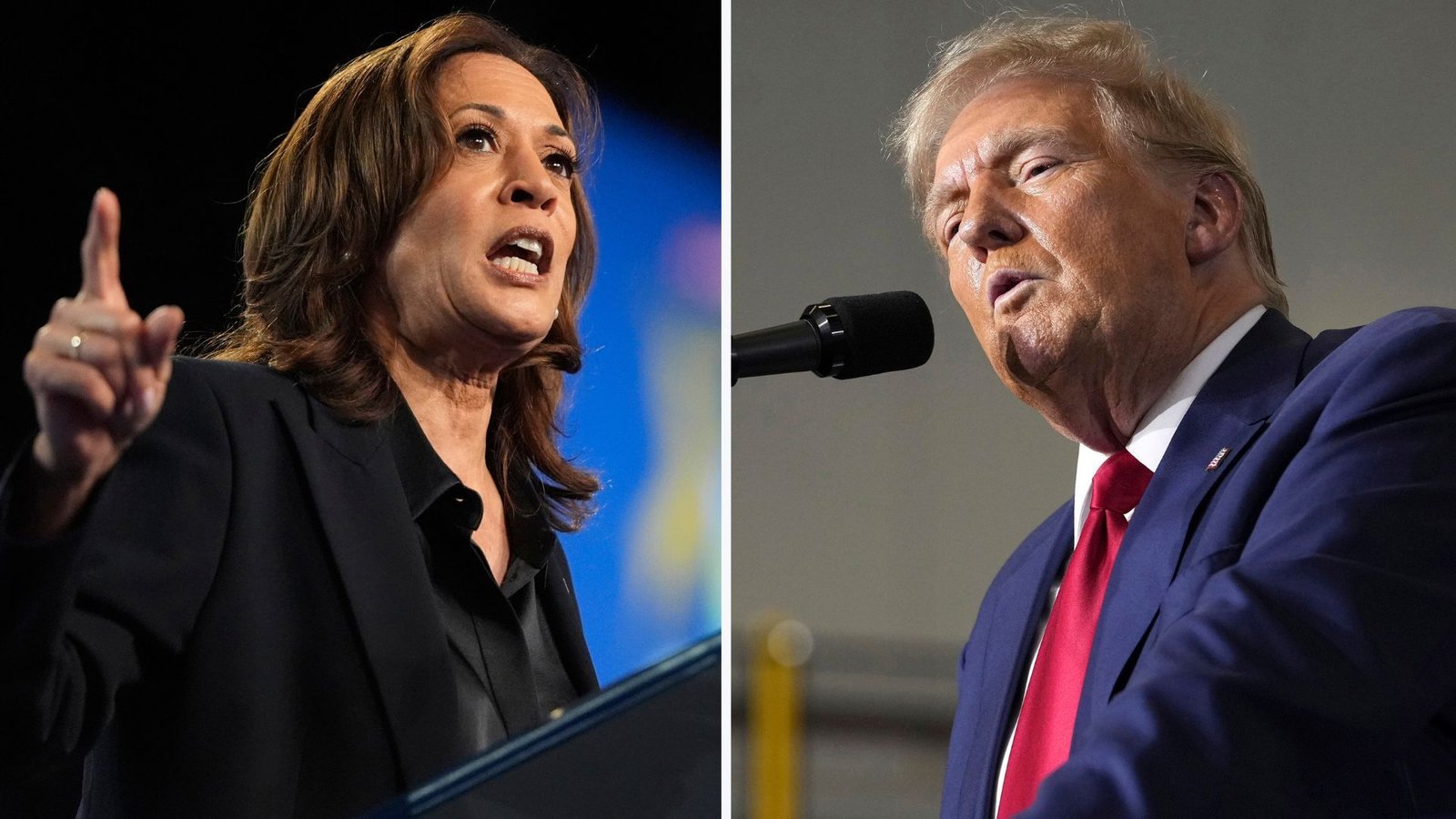
In a recent attempt to connect with voters, Vice President Kamala Harris participated in an interview with Fox News anchor Bret Baier, marking her first appearance on the network. The discussion, held on October 16, revolved around critical issues including immigration, economic policy, and her differences with her Republican rival, former President Donald Trump. This interview is part of Harris’s broader strategy to engage with the electorate as the presidential election approaches.
During the interview, Baier posed a series of questions regarding the Biden-Harris administration’s handling of immigration and the implications of their policies. He questioned the number of migrants released into the United States during their tenure, inquiring about strategies to reduce this figure and the evolution of her positions since her 2019 presidential campaign. Topics such as the eligibility of undocumented immigrants for driver’s licenses, free tuition, and healthcare services were also discussed, with Harris’s running mate, Minnesota Governor Tim Walz, being cited as a proponent for these inclusive measures.
Harris, while outlining her vision for leadership, emphasized that her administration would differ significantly from that of President Biden. “My presidency will not be a continuation of Joe Biden’s presidency,” she asserted, underscoring her commitment to bringing new ideas and perspectives to the table. This declaration aligns with her intent to address the complexities of modern governance and the challenges facing American society today.
A significant focus of the conversation was the legislative achievements in Minnesota under Governor Walz, particularly regarding immigrant rights. In 2023, Walz signed a law allowing individuals, regardless of their immigration status, to apply for driver’s licenses, with the aim of enhancing road safety. Additionally, a scholarship program was established for students from families earning less than ,000, which permits undocumented individuals who meet specific educational criteria to access higher education.
Harris also took the opportunity to critique Trump’s record, highlighting a statement he made regarding American soldiers who suffered traumatic brain injuries following an attack on a military base in Iraq. She referenced his minimization of their injuries as mere “headaches,” which underscores a broader concern about the treatment of veterans and military personnel.
Throughout the interview, Harris expressed confidence in her economic agenda, which has garnered endorsements from 16 Nobel laureates, who described her plans as “vastly superior” to those of her opponent. While the economists expressed concerns over potential economic instability under a second Trump term, they did not make specific predictions about an impending recession, instead emphasizing the potential for negative repercussions on the U.S. economy.
This dialogue reflects Harris’s proactive approach as she engages with voters, aiming to clarify her positions and present a forward-looking vision that embraces diversity and inclusivity.
#Politics #USElectionsNews